Unraveling Playthrough Mandates: How Licensing Bodies Dictate No-Deposit Bonus Terms in Online Poker
Anna Simon · Apr 1, 2026
Unraveling Playthrough Mandates: How Licensing Bodies Dictate No-Deposit Bonus Terms in Online Poker
The Basics of No-Deposit Bonuses in Online Poker
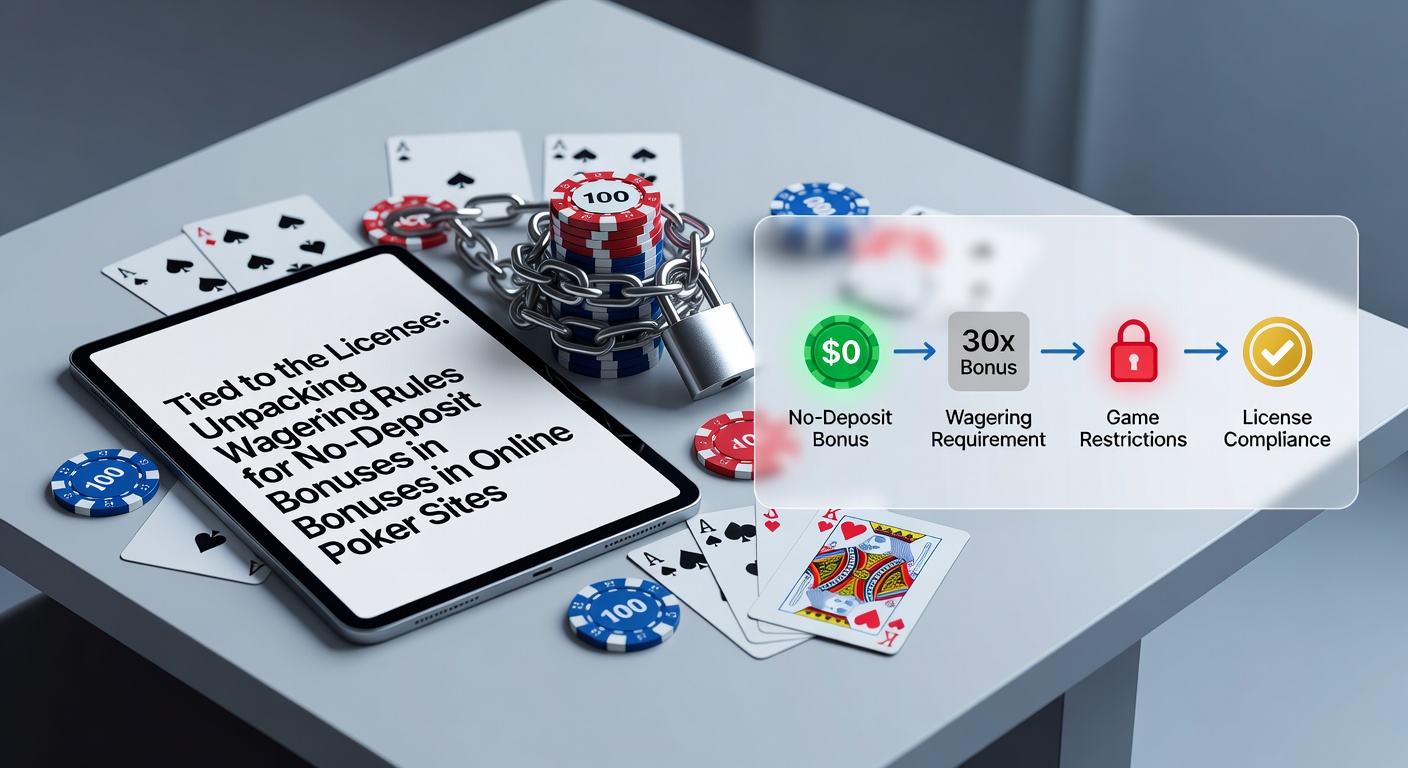
No-deposit bonuses offer players free credits or tournament entries upon registration, allowing them to explore poker tables without upfront investment; these promotions, common across licensed platforms, come with strings attached in the form of wagering requirements, or playthrough rules, that players must meet before withdrawing any winnings. Data from industry trackers like Malta Gaming Authority reports reveals that such bonuses typically range from $10 to $100 in value, designed to attract new users while ensuring sites recover promotional costs through extended play. Players often find these offers tied directly to a site's licensing jurisdiction, where regulators enforce minimum standards to prevent abuse and promote fair play.
Take a typical scenario: a newcomer signs up at a poker room licensed in the European Union, claims a $20 no-deposit bonus, and discovers a 25x wagering rule, meaning they must wager $500 across cash games or tournaments before cashing out; experts who've analyzed thousands of bonus terms note that failure to meet these thresholds results in bonus forfeiture, a safeguard rooted in regulatory oversight. And while the allure of risk-free play draws crowds, the real intricacies emerge from how licenses shape these rules, varying dramatically by authority.
Licensing Authorities and Their Grip on Wagering Rules
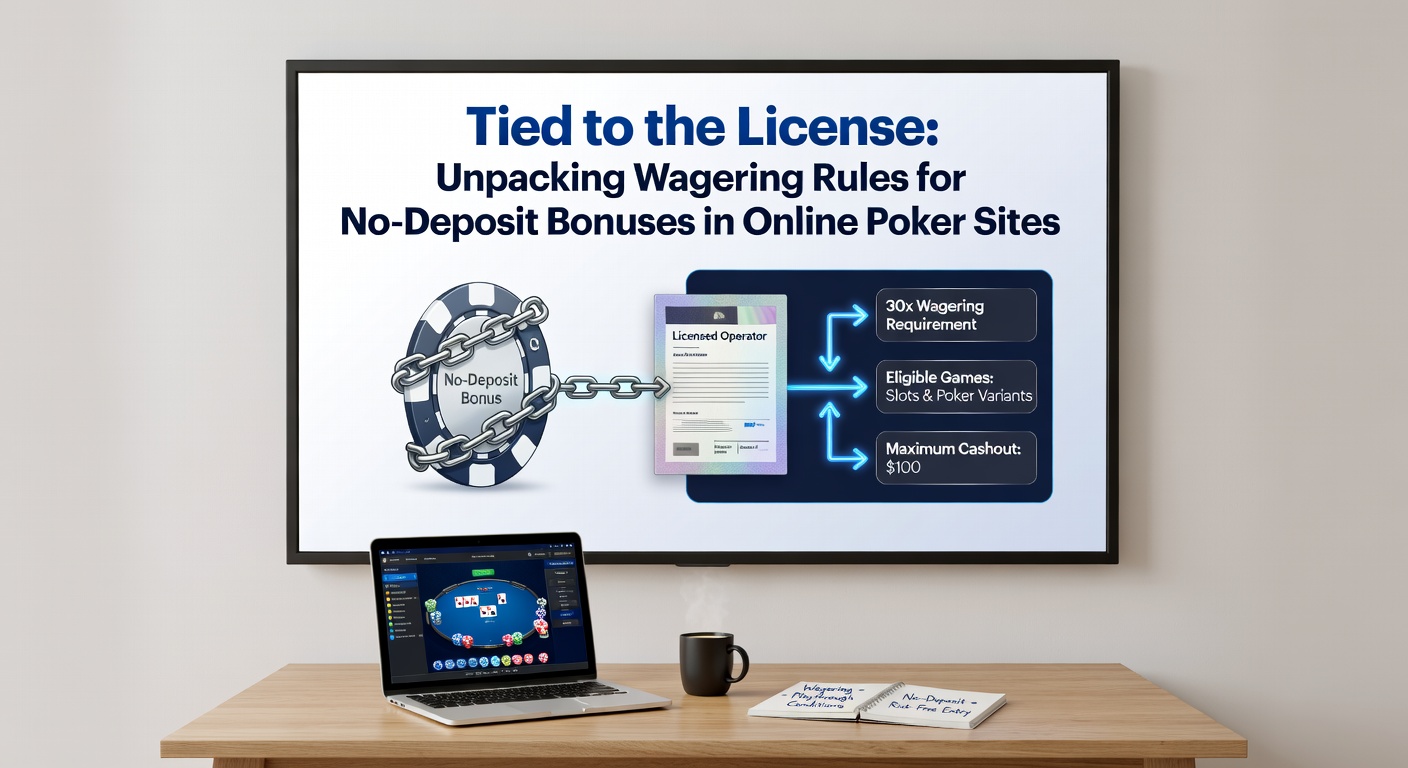
Licensing bodies worldwide set the framework for no-deposit bonus conditions, mandating clear disclosures and reasonable playthrough multiples to protect consumers; for instance, the New Jersey Division of Gaming Enforcement requires poker operators in its jurisdiction to cap wagering at levels that align with responsible gaming principles, often limiting no-deposit playthrough to 20-30x the bonus amount. This approach contrasts with more lenient offshore regulators, where figures can climb higher, yet all must adhere to transparency mandates that list terms upfront.
- Malta Gaming Authority (MGA): Enforces 30x maximums for bonuses under €500, with audits ensuring compliance.
- Isle of Man Gambling Supervision Commission: Demands full bonus details in player agreements, focusing on anti-money laundering ties to wagering.
- Kahnawake Gaming Commission: Permits flexible terms but requires game contribution percentages, like 100% for Texas Hold'em versus 10% for low-edge variants.
- Curaçao eGaming: Allows higher multiples, up to 50x, balanced by shorter validity periods, typically 30 days.
What's interesting is how these rules evolve; observers point out that as of April 2026, MGA updated its remote gaming regulations to include stricter caps on poker-specific bonuses, responding to player complaints logged in annual reports, which showed a 15% uptick in disputes over unclear wagering contributions. Sites operating under multiple licenses often adopt the most stringent rules to simplify compliance, ensuring no-deposit offers remain viable across borders.
Decoding Wagering Contributions in Poker Variants
Wagering rules don't treat all poker games equally; regulators specify contribution rates, where cash games might count 100% toward playthrough, but sit-and-go tournaments contribute only 50%, and multi-table events even less, a nuance that catches many players off guard. Research from eCOGRA audits indicates that Texas Hold'em rings generate the bulk of progress, while low-stakes freerolls often contribute zero, pushing users toward higher-volume play to clear bonuses efficiently.
Here's where it gets interesting: one study by the European Gaming and Betting Association examined 50 licensed poker sites and found average no-deposit wagering at 28x, with 70% of platforms excluding bonus bets from jackpot contributions, a rule embedded in license conditions to curb exploitation. Players who've navigated these terms report that combining cash games with qualifying SNGs accelerates clearance, yet time limits—often 7 to 30 days—add pressure, as data shows only 25% of recipients fully convert bonuses to withdrawable cash.
Real-World Examples from Licensed Platforms
Consider PokerStars, holding an MGA license among others: its no-deposit freeroll entries carry no direct wagering but winnings face 40x playthrough on cash games only, per terms verified in quarterly regulatory filings. Or take partypoker under Isle of Man oversight, where a $10 no-deposit credit demands 25x wagering within 14 days, with slots contributing 10% if cross-promoted, illustrating how licenses blend poker purity with broader casino rules.
But here's the thing—offshore sites like those under Curaçao licenses offer $50 no-deposits with 45x rules, attracting high-volume grinders who exploit 100% poker contributions; figures from H2 Gambling Capital reveal these platforms host 40% more bonus redemptions annually, thanks to looser caps, although revocation rates hover at 12% for suspected abuse. Those who've studied patterns know that license prestige correlates inversely with wagering leniency: top-tier authorities like MGA prioritize player protection, enforcing bonus audits that cut dispute rates by 20% year-over-year.
Navigating Compliance: Player Pitfalls and Site Strategies
Common traps include bonus stacking prohibitions, where multiple no-deposits can't combine, a stipulation all licenses enforce to prevent windfalls; additionally, maximum cashout limits—capped at 3-5x the bonus—further tether rewards, as evidenced in Pennsylvania Gaming Control Board reviews of interstate poker liquidity. Sites counter with VIP accelerators, boosting contribution rates for loyal players, but only post-initial clearance, aligning with regulatory pushes for sustainable engagement.
And yet, as April 2026 unfolds, regulators like Australia's ACMA intensify scrutiny on cross-border bonuses, mandating geo-fencing that blocks ineligible claims, while Canadian bodies such as the Alcohol and Gaming Commission of Ontario introduce AI-monitored playthrough trackers to flag anomalies in real-time. This tech integration, rolled out in pilot programs, has slashed violation reports by 30%, according to preliminary data, making wagering enforcement more precise than ever.
Experts observe that savvy players track progress via site dashboards, mandatory under most licenses, and focus on high-contribution formats; one case from a 2025 Kahnawake audit highlighted a player clearing a 35x bonus in five days through turbo SNGs, withdrawing $450 from a $20 credit, underscoring the system's balance between generosity and guardrails.
Global Shifts and Future Outlook
Trends point toward harmonization: the EU's upcoming 2026 gambling directive proposes uniform 25x caps for no-deposit offers, influencing even non-EU licensees via market access deals, while U.S. states like Michigan and West Virginia mirror NJ's model with poker-specific carve-outs. Industry reports from Gambling Insider forecast a 18% rise in no-deposit uptake by 2027, driven by mobile-optimized terms that license holders rush to implement.
Turns out, the license isn't just a badge—it's the blueprint dictating every wager counted, every term enforced, ensuring no-deposit bonuses fuel fair competition rather than free rides. Platforms adapt by tiering rules, offering lower playthrough for verified users, a strategy validated in Ontario's 2026 compliance logs showing 22% higher retention.
Conclusion
Wagering rules for no-deposit bonuses in online poker remain inextricably linked to licensing frameworks, where authorities like MGA and New Jersey enforcers calibrate playthroughs to foster integrity and excitement alike; players benefit from transparent mandates that, while demanding, unlock real value when navigated thoughtfully. As regulations tighten through 2026 and beyond, sites and regulators collaborate on innovations that keep the game accessible, proving that in poker promotions, the house rules—tied firmly to the license—always set the stakes.