Tech-Driven Compliance Reshapes Bonus Frameworks in Online Card Gaming
Ulrich Berger · May 17, 2026

Tech-Driven Compliance Reshapes Bonus Frameworks in Online Card Gaming
Regulatory software now sits at the center of how digital card platforms structure rewards, and operators across multiple jurisdictions adjust their mechanics to meet automated verification standards that flag suspicious patterns before bonuses reach player accounts. These systems combine identity checks with transaction monitoring, and they limit the size or type of incentives available until full compliance clears, which changes the timing and scope of offers that platforms once released freely.
Automated Verification Layers in Practice
Platforms integrate real-time KYC tools that cross-reference government databases with player data, and this process often pauses bonus activation until documents receive approval. Research from the University of Nevada's International Gaming Institute shows that such delays reduce bonus claims by measurable percentages in regulated markets, while operators maintain detailed audit trails that satisfy oversight requirements without manual review at every step. One study revealed that platforms using these tools cut fraudulent redemptions by connecting player behavior logs directly to incentive distribution rules.
Regional Differences Shape Implementation
Canadian regulators in Ontario require AGCO-licensed sites to embed geo-fencing with bonus eligibility checks, and this setup prevents cross-border access that could violate local rules. In contrast, Pennsylvania's gaming control board enforces similar standards through its igaming framework, where operators must log every reward adjustment in systems that alert authorities to unusual patterns. Data from these programs indicates that compliance integration correlates with steadier player retention rates because verified accounts receive consistent access to layered promotions rather than one-off credits.
What's interesting here is how the same software stack adapts across borders. European operators connect their systems to centralized registries that update automatically when new rules take effect, and this linkage forces platforms to recalibrate free play amounts or wager requirements on short notice. Observers note that these adjustments often occur in batches around scheduled regulatory reviews, which keeps incentives aligned with current legal thresholds.
Monitoring Tools and Real-Time Adjustments
AI-driven monitors scan for bonus abuse by tracking play patterns against historical norms, and they trigger holds on further incentives when accounts show signs of coordinated activity. This capability lets platforms offer targeted reload rewards only after confirming that prior bonuses followed the intended usage path. Figures from industry reports highlight that such monitoring now covers a growing share of active digital card accounts, particularly in markets where regulators demand proof of responsible incentive deployment.
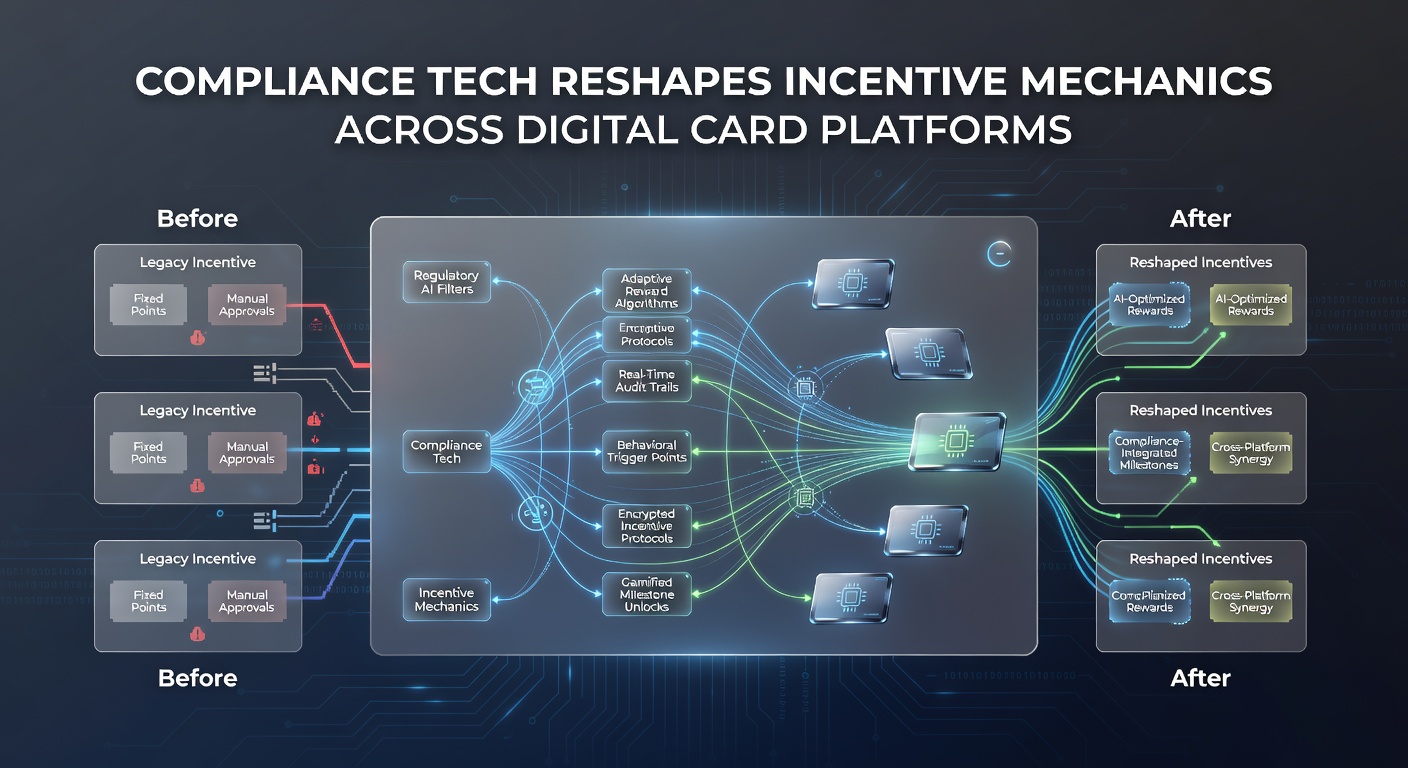
Operators also use these dashboards to forecast how upcoming rule changes will affect their current promotion calendars. For instance, several platforms began testing tiered loyalty structures in advance of broader compliance updates expected around May 2026, when certain automated reporting mandates are slated to expand. Those who've studied the rollout timelines know that early integration reduces the scramble that occurs when new verification layers activate suddenly.
Case Examples from Licensed Markets
Take one platform operating under New Jersey rules that introduced automated bonus caps tied to verified deposit history. The change produced steadier usage rates because players progressed through smaller, confirmed rewards rather than facing sudden account flags. Similar patterns appear in Australian online card offerings, where state-level oversight requires transparent logging of every incentive modification, and operators report fewer disputes once the systems handle eligibility checks without human intervention.
Yet the shift also creates new operational layers. Support teams now review edge cases that the software flags for manual review, and this hybrid approach keeps most routine verifications fast while preserving accuracy on complex accounts. Research indicates that platforms balancing both elements maintain higher compliance scores across audits compared with those relying solely on manual processes.
Future Adjustments and Platform Responses
As more jurisdictions adopt unified data standards for incentive tracking, operators prepare modular systems that can toggle different bonus parameters based on location and verification status. This flexibility supports cross-platform play while respecting each region's specific limits on free credits or wager-free offers. Evidence suggests that early adopters of these adaptable tools experience smoother transitions when rules update, because their existing infrastructure already handles dynamic adjustments.
Platforms continue to refine how they present incentives so that compliance messages appear integrated rather than as separate hurdles. Players encounter clearer eligibility summaries at the point of offer, and this transparency stems directly from the same monitoring systems that regulators require. Those monitoring the sector observe that such clarity reduces support volume on bonus-related queries over time.
Conclusion
Compliance technology has become the backbone that determines which incentives digital card platforms can deliver and when they activate. By embedding verification, monitoring, and reporting into daily operations, operators across regulated markets align their reward mechanics with evolving standards while preserving the ability to offer structured promotions. The result is a landscape where incentives evolve alongside the tools that govern them, and platforms that invest in adaptable systems position themselves for continued operation as requirements expand into 2026 and beyond.