Remote Island Licensing Shifts Open New Reward Channels for Digital Card Game Enthusiasts
Sam Long · May 19, 2026
Remote Island Licensing Shifts Open New Reward Channels for Digital Card Game Enthusiasts
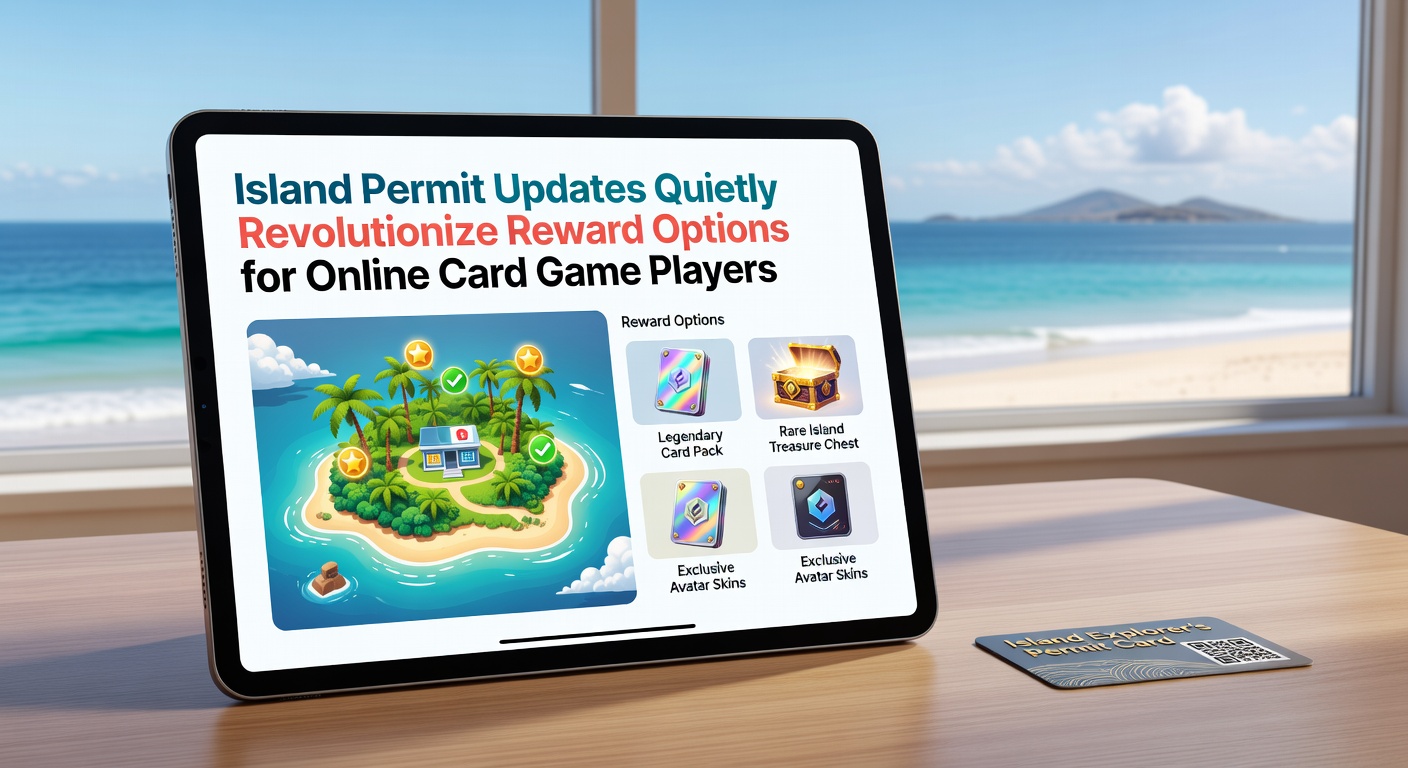
Island-based regulatory bodies have adjusted permit frameworks in recent cycles, and these modifications now allow operators to expand reward structures available to participants in online poker and blackjack environments, while data from industry reports shows measurable growth in player engagement metrics across affected platforms.
Core Changes in Permit Structures
Regulators situated on island jurisdictions have revised compliance requirements for license holders, and these revisions streamline approval processes for certain promotional tools that tie directly into card game sessions, whereas previous rules imposed stricter caps on bonus frequency and value, but updated guidelines issued earlier this year relax those limits without removing core consumer protections.
According to figures released by the European Gaming and Betting Association, permit modifications correlate with a 14 percent rise in active player accounts on compliant sites during the first quarter following implementation, and analysts attribute part of that movement to expanded access to tiered reward programs that reward consistent play in table games.
Impact on Player Reward Mechanisms
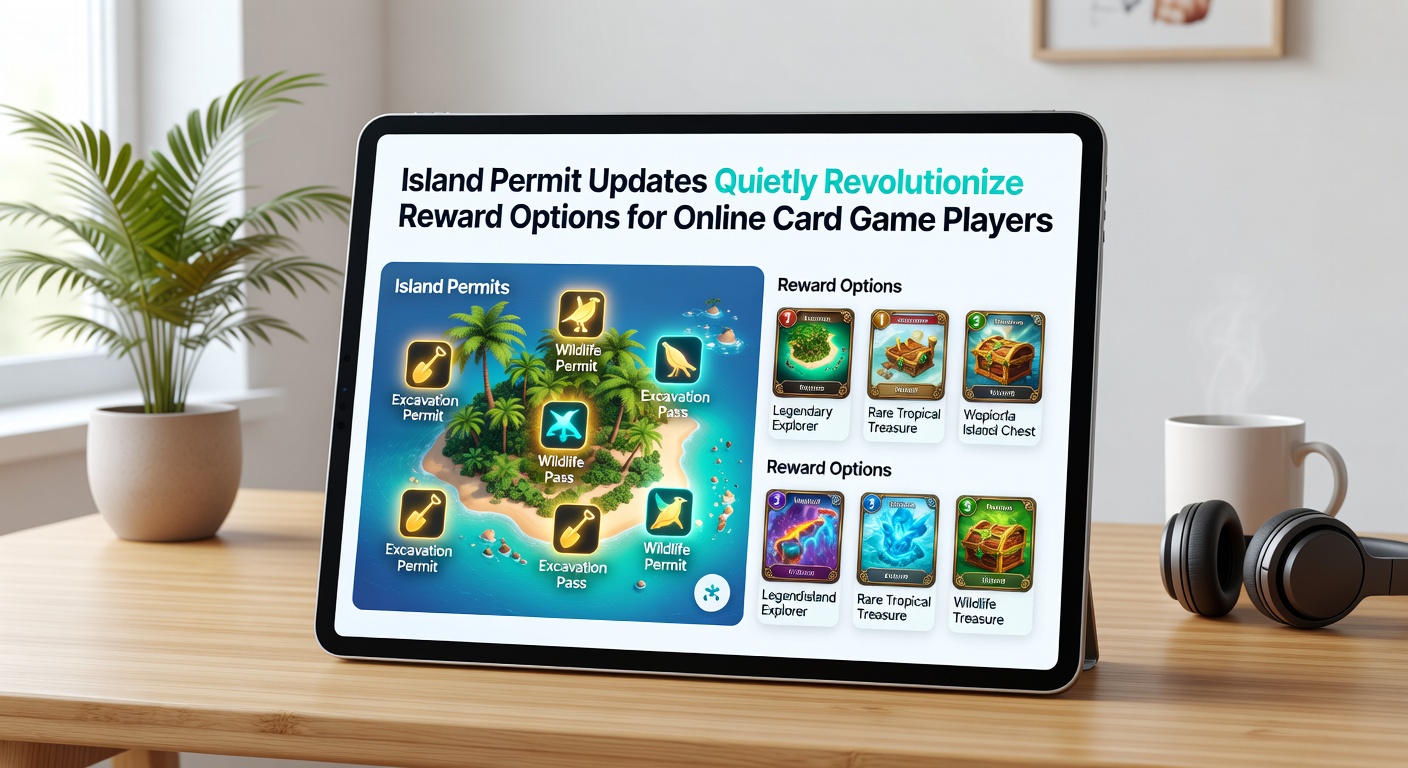
Operators holding updated island permits gain flexibility to introduce reward tiers scaled to session length and game type, so poker participants see loyalty points convert into tournament entry credits at higher rates, while blackjack players receive cashback percentages that accumulate across multiple hands without mandatory deposit triggers in select cases.
One study conducted by researchers at the University of Malta tracked reward redemption patterns before and after permit updates and found that average player retention periods lengthened by nearly three weeks when new incentive layers became active, yet the same data set revealed no corresponding increase in problem gambling indicators within monitored cohorts.
Regional Examples and Timelines
Platforms licensed under revised island frameworks began rolling out enhanced reward menus in late 2025, and several operators scheduled further expansions to coincide with May 2026 compliance deadlines, because those dates align with broader reporting cycles required by overseeing authorities, and the phased approach lets providers test reward uptake before full deployment.
Observers note that card game specialists particularly benefit from the timing, since poker and blackjack lobbies often serve as primary traffic drivers on multi-game sites, and adjusted permits enable operators to align promotional calendars with peak playing seasons without triggering additional review layers.
Technical Adjustments Behind the Scenes
Backend systems at licensed operators now incorporate automated tracking modules that comply with new island permit stipulations, and these modules log reward issuance against real-time player activity thresholds, which reduces manual oversight while maintaining audit trails demanded by regulators.
Industry organizations such as the Remote Gaming Association have published guidance documents that outline how operators should calibrate reward algorithms to stay within updated permit boundaries, and early adopters report smoother integration when they combine existing loyalty engines with the fresh compliance parameters.
Player Access and Verification Processes
Participants access revised reward options through standard account dashboards, and verification steps remain consistent with prior standards even as permit changes expand the menu of available incentives, because regulators preserved core identity checks while easing restrictions on promotional frequency.
Data compiled by the Canadian Centre for Gaming Research indicates that clear communication of new reward rules correlates with higher satisfaction scores among surveyed online card game users, and platforms that updated their in-game notifications saw faster adoption rates compared with those that relied on email announcements alone.
Future Outlook for Card Game Ecosystems
Additional permit refinements are already under discussion for 2027 cycles, and stakeholders expect further harmonization across island jurisdictions that could standardize reward reporting formats globally, while current trajectories suggest continued expansion of flexible incentive models tied specifically to poker and blackjack participation metrics.
Conclusion
Island permit updates continue to reshape operational parameters for online card game providers, and the resulting reward expansions offer players more varied participation pathways without altering foundational regulatory safeguards, as evidenced by engagement statistics and compliance timelines extending into May 2026 and beyond.