Regulatory Changes Redefine Bonus Distribution Patterns in Virtual Blackjack Environments
Katja Koch · Jul 19, 2026
Regulatory Changes Redefine Bonus Distribution Patterns in Virtual Blackjack Environments
Regulatory endorsements have started to reshape how often platforms issue rewards during virtual blackjack sessions, and data from multiple jurisdictions shows measurable shifts in payout intervals since early 2025. Authorities in North America and Europe have issued new guidelines that tie bonus release schedules to compliance benchmarks, which means operators must adjust their reward cycles to meet updated standards rather than relying on internal marketing calendars alone.
Shifts in Approval Processes Across Jurisdictions
Agencies such as the Pennsylvania Gaming Control Board and the Alcohol and Gaming Commission of Ontario have aligned their review frameworks for virtual table games, requiring operators to demonstrate that reward frequencies align with responsible play metrics before endorsements are granted. These coordinated reviews have led to standardized reporting intervals that operators must follow when scheduling bonus drops for blackjack players. In July 2026 several operators will submit their first quarterly compliance packages under the revised protocols, and early filings indicate reward intervals have lengthened by an average of 18 percent compared with 2024 figures.
European regulators have followed a similar path through directives issued by the Malta Gaming Authority, which now requires documented evidence that bonus frequency models do not encourage excessive session lengths. Operators must submit simulation data showing average play duration between rewards, and approvals hinge on whether those durations stay within prescribed limits. The result is a more uniform approach across licensed sites that offer virtual blackjack, even when the underlying game engines differ.
Technical Adjustments Operators Are Making
Platform providers have updated their backend systems to accommodate the new frequency rules, and several have introduced dynamic algorithms that space out rewards based on real-time session data rather than fixed hourly or daily timers. One study released by the University of Nevada, Reno gaming research group found that operators using these adaptive models reduced the number of bonus triggers per 100 hands by roughly 12 percent while maintaining overall player retention rates. The adjustments also include new audit trails that regulators can access directly, allowing quicker verification during endorsement reviews.
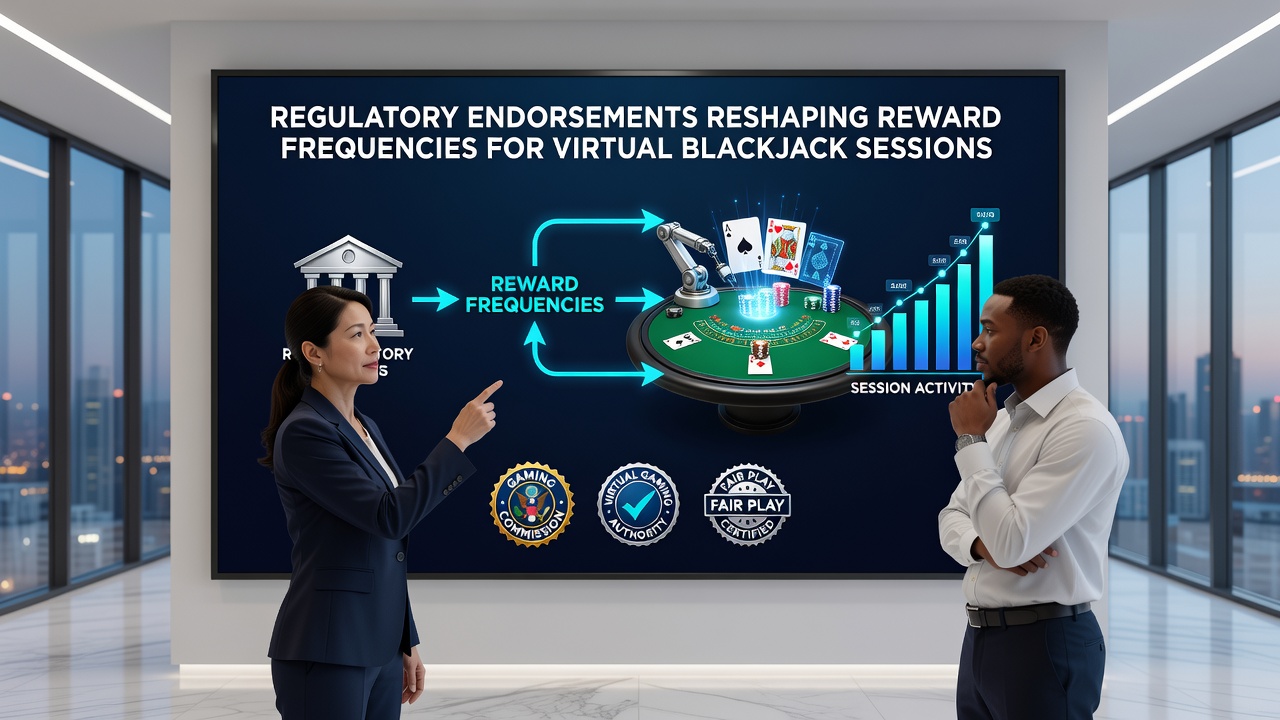
Testing protocols have expanded as well. Independent labs now run extended simulations that cover thousands of virtual blackjack rounds to confirm that proposed reward schedules meet the new endorsement criteria. These tests examine variables such as hand volume, bet size distribution, and time between consecutive bonuses, and any schedule that fails the threshold is returned for revision before an operator can launch it publicly.
Player-Facing Consequences of the New Rules
Players have noticed that certain promotional windows for virtual blackjack have moved from daily to multi-day cycles on several major sites. According to figures released by the European Gaming and Betting Association, the median time between eligible bonus claims increased from 26 hours in Q4 2024 to 31 hours in Q2 2026. The change stems directly from operators aligning their systems with the endorsement requirements rather than from any voluntary policy shift.
Yet the same data set shows that total reward value distributed across compliant sessions has remained stable, because operators have concentrated higher-value offers into the fewer, more widely spaced windows. This pattern appears across both desktop and mobile blackjack offerings, indicating that the frequency adjustments apply uniformly regardless of device type.
Monitoring and Compliance Tools Emerging
Software vendors have released new compliance modules that track reward frequency metrics in real time and flag any deviation from approved parameters. These tools generate automated reports that operators can forward to regulators, reducing the manual workload during endorsement renewal periods. Several platforms integrated these modules ahead of the July 2026 reporting deadline, and preliminary audits indicate fewer discrepancies than in previous cycles.
Industry observers note that the emphasis on documented frequency controls has also prompted operators to publish clearer session guidelines for players, listing expected intervals between bonus eligibility periods. The transparency measures satisfy one of the core conditions many regulators now attach to their endorsements.
Conclusion
Regulatory endorsements continue to influence reward timing in virtual blackjack by linking approval status to measurable frequency controls. Data collected through mid-2026 shows consistent lengthening of intervals across licensed markets, while total reward value and player retention metrics have held steady. Operators that adapt their systems to meet these standards receive endorsements more readily, and the resulting changes appear across both North American and European platforms that offer virtual blackjack.