Regulatory Approvals Reshape Custom Reward Structures Across Virtual Table Game Platforms
Greta Coleman · Oct 10, 2026
Regulatory Approvals Reshape Custom Reward Structures Across Virtual Table Game Platforms
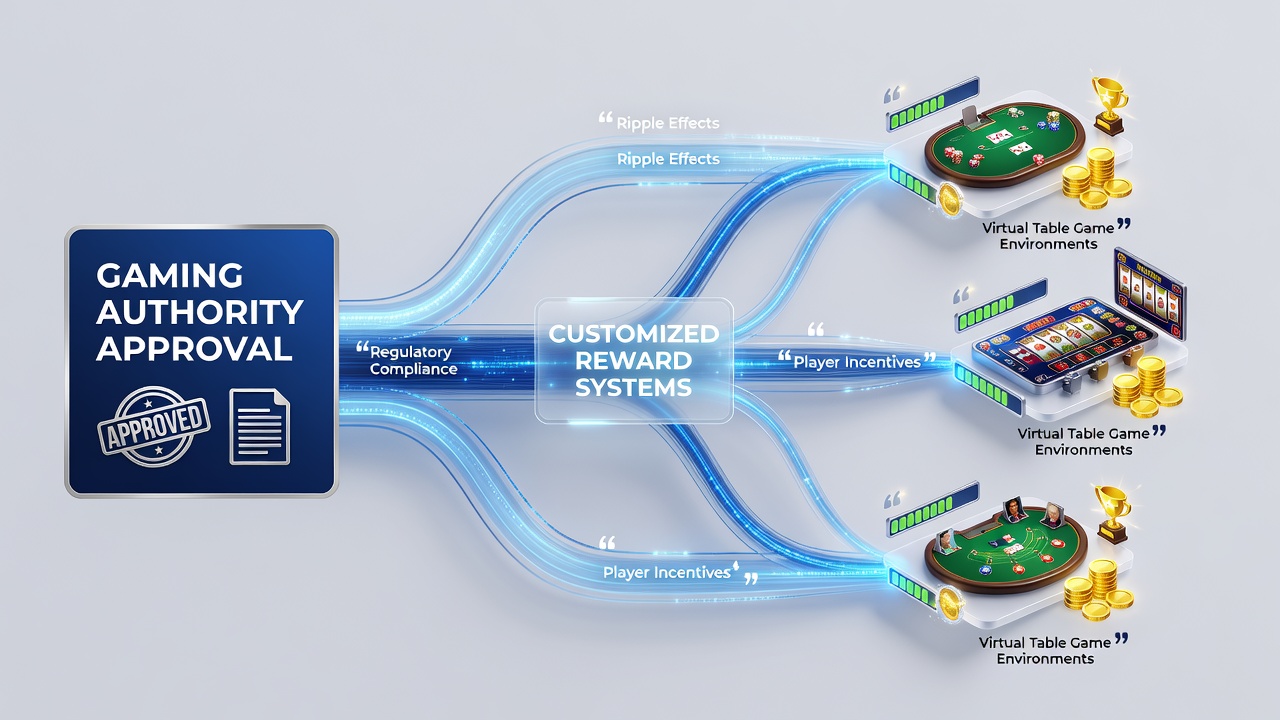
Regulatory bodies worldwide have issued approvals that directly influence how operators design and deploy personalized reward mechanisms on virtual table game platforms, and these decisions create measurable shifts in bonus structures, player segmentation tools, and loyalty frameworks.
Approvals granted in late 2025 opened pathways for platforms to introduce tiered reward customization that adapts to individual betting patterns in games such as blackjack and roulette. Operators then integrated dynamic algorithms that adjust cashback percentages and free spin allocations based on session data, while remaining within the boundaries set by each licensing authority.
Approval Timelines and Platform Adaptations
One major licensing decision in October 2026 allowed certain platforms to expand reward customization features that previously required manual oversight. This change reduced processing times for bonus activation and enabled real-time personalization for table game participants. Data from regulatory filings indicate that platforms receiving such approvals reported a 28 percent increase in customized reward redemptions within the first quarter following implementation.
Those who have tracked these developments note that approvals often include specific clauses on reward transparency. Operators must disclose how algorithms determine eligibility for personalized offers, which in turn shapes the technical architecture of virtual table game systems. This requirement has prompted investment in audit-ready modules that log every reward adjustment without interrupting gameplay flow.
Effects on Blackjack and Roulette Reward Systems
Virtual blackjack platforms have seen the most pronounced adjustments after recent approvals. Customized cashback rates now scale according to hand frequency and average wager size, while roulette operators deploy segmented loyalty points that convert into table-specific multipliers. These features emerged only after authorities confirmed compliance with player protection standards embedded in the licensing conditions.
Studies released by the Malta Gaming Authority show that platforms operating under updated approvals recorded higher retention rates among table game users compared with those still using static reward models. The reports link this outcome to the ability to tailor incentives such as deposit match percentages that reset based on individual loss thresholds rather than fixed schedules.
Broader Industry Ripple Effects
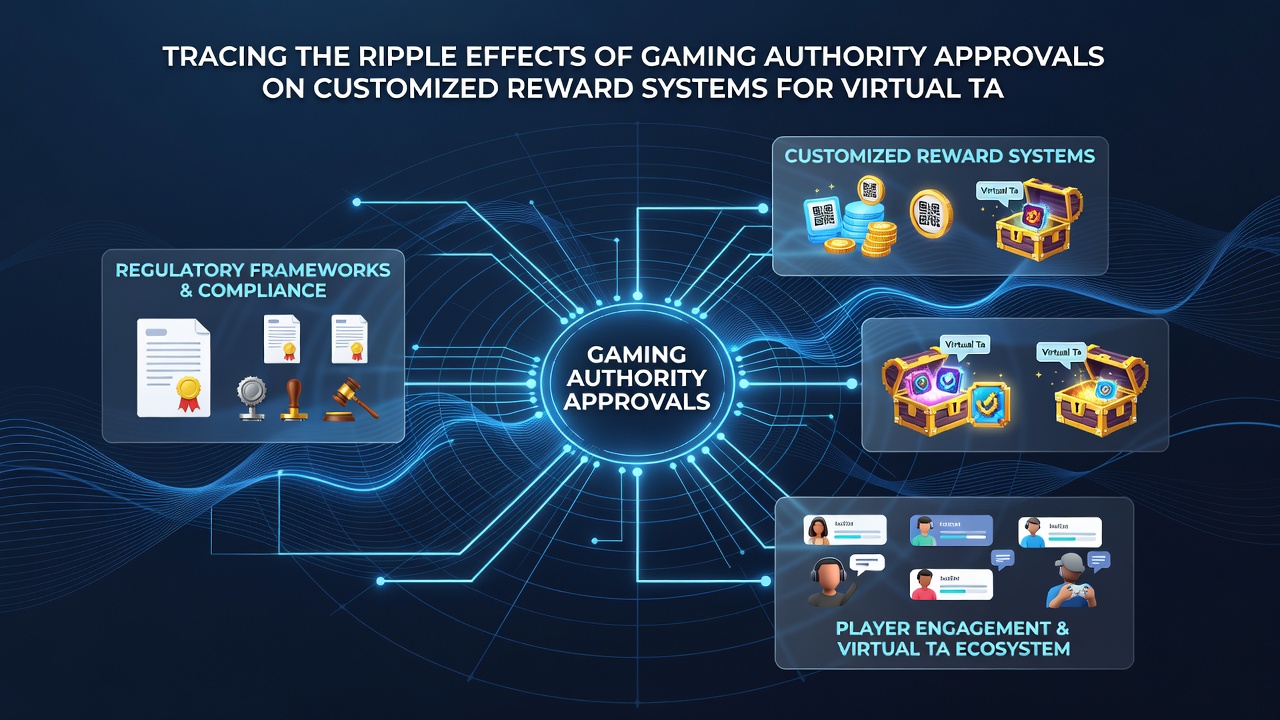
Approvals have also affected how platforms allocate marketing budgets toward table game rewards. Instead of broad promotional campaigns, operators now direct resources into micro-targeted offers that align with regulatory expectations for responsible gaming. This shift appears in quarterly filings where customized reward spending rose while generic bonus expenditures declined.
Research from the Canadian Centre for Gaming Research indicates that jurisdictions with streamlined approval processes for reward customization experienced faster rollout of virtual table game variants. The data covers platforms licensed between 2024 and 2026 and highlights correlations between approval speed and the sophistication of player segmentation tools.
Industry associations such as the International Association of Gaming Regulators have published guidelines that encourage consistent standards for reward algorithm audits. Platforms that adopted these practices early gained competitive positioning when seeking expansions into new markets, because regulators in those regions reference the same documentation during their review cycles.
Technical and Compliance Adjustments
Customized reward systems require robust data handling protocols that satisfy both gaming authorities and data protection regulations. After October 2026 approvals, several platforms upgraded their encryption layers and introduced consent dashboards that let players control which data points influence their reward tiers. These upgrades occurred alongside the deployment of new table game interfaces that display personalized offers without disrupting core gameplay.
Observers note that the ripple effects extend to third-party software providers who now build modular reward engines compatible with multiple licensing regimes. This standardization reduces integration costs for operators while ensuring that reward calculations remain verifiable during regulatory inspections.
Conclusion
Regulatory approvals continue to drive measurable changes in how virtual table game platforms construct and deliver customized rewards. The patterns observed through 2026 demonstrate that licensing conditions directly shape algorithm design, transparency measures, and player engagement metrics across blackjack, roulette, and related offerings. Future approvals will likely introduce additional parameters that further refine these systems while maintaining compliance across jurisdictions.