Licensing Structures Empowering Novel Reward Mechanisms in Digital Table Games
Sam Long · Jun 9, 2026
Licensing Structures Empowering Novel Reward Mechanisms in Digital Table Games
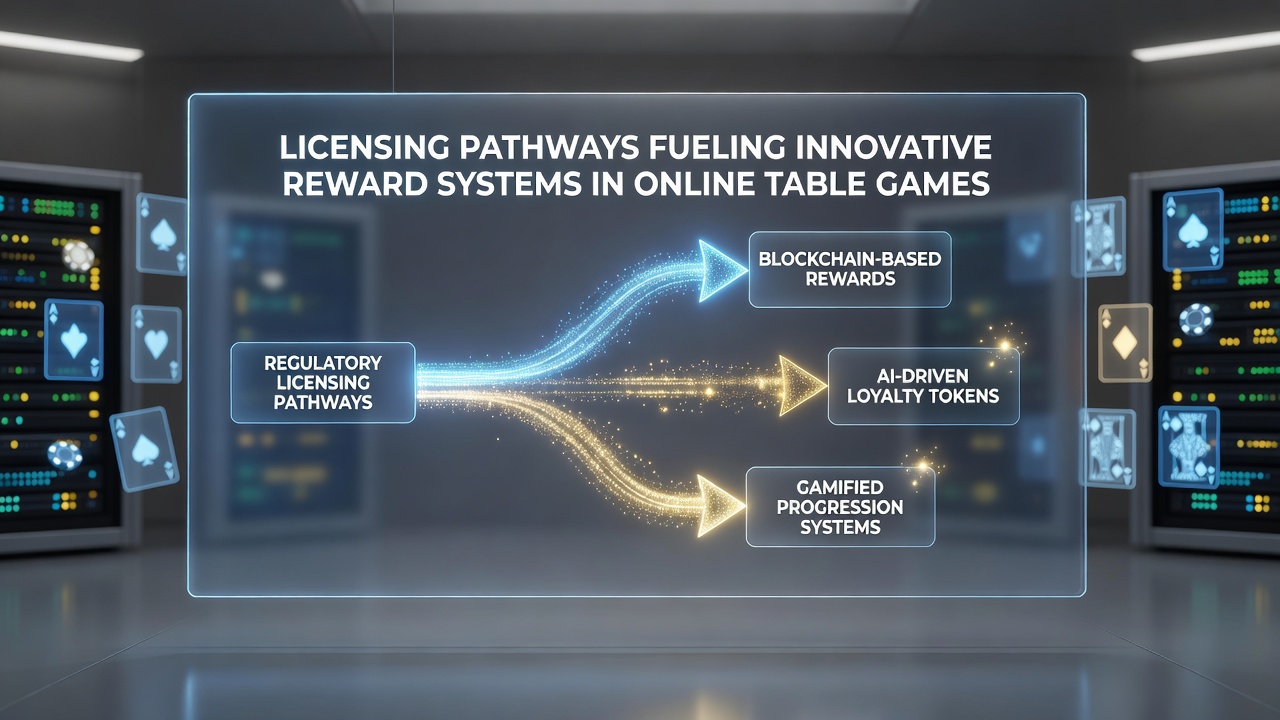
Regulatory pathways across multiple jurisdictions shape how operators develop reward systems for online table games, with structures in places like Nevada and Malta guiding the integration of dynamic incentives tied to blackjack, poker and roulette platforms. Data from industry reports indicate that these frameworks create opportunities for layered loyalty structures where players accumulate points through specific game interactions rather than flat deposit matches.
Core Licensing Models and Their Influence
Observers note that jurisdictions such as the Nevada Gaming Control Board maintain strict oversight on table game operations while permitting operators to test reward variations under controlled conditions, and this approach has led to systems where bonus multipliers adjust based on real-time player activity metrics. In contrast the Malta Gaming Authority permits broader experimentation with reward algorithms provided operators submit detailed compliance documentation, resulting in programs that link table game performance to personalized cashback tiers.
Those who track regulatory filings observe that license conditions often specify reporting requirements around reward distribution, which in turn pushes developers to build transparent tracking tools that log every point earned during live dealer sessions. Research from academic sources shows these requirements reduce disputes because players receive clear breakdowns of how their activity translates into rewards.
June 2026 Developments and Emerging Patterns
By June 2026 several licensing bodies had updated their guidelines around table game promotions, and these revisions allowed operators to introduce time-sensitive reward triggers during peak playing hours without requiring separate approvals for each campaign. Figures from regulatory summaries reveal an increase in approved reward structures that incorporate progressive jackpots linked directly to table game wagers, creating shared prize pools across multiple licensed sites.
One case involved a European operator that used its existing license to roll out a system where roulette bets contributed to a tiered reward ladder, and regulators accepted the model after the company demonstrated compliance with fairness testing protocols. Similar patterns appear in Australian markets where the communications authority oversees cross-border licensing that supports reward portability between table game variants.
Technical Integration and Compliance Pathways
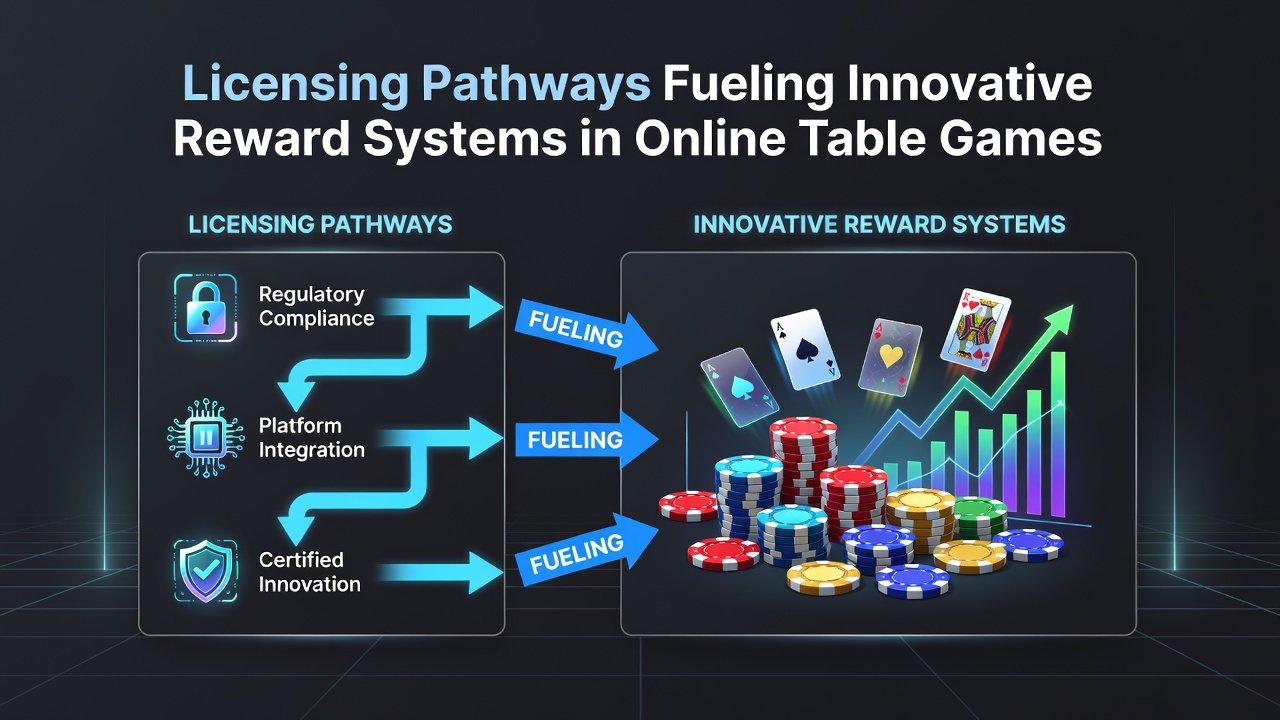
Developers working under these licenses often embed reward engines directly into game servers, and the process requires certification from approved testing labs before deployment. Studies conducted by research institutions indicate that such integration reduces latency in reward delivery, allowing players to see updated balances immediately after completing a hand of poker or a spin sequence.
What's interesting is how certain license types mandate third-party audits of reward algorithms, which encourages the creation of verifiable random number generators that also handle bonus calculations. Those audits occur at regular intervals, and operators must maintain records that link every reward payout to specific player actions within table game environments.
Cross-Jurisdictional Comparisons
Comparisons between North American and European licensing show differences in how reward frequency gets regulated, with some frameworks capping daily bonus issuances while others focus on total value distributed over longer periods. According to data from the European Gaming and Betting Association, operators under multi-jurisdictional licenses achieve higher retention rates when they align reward systems across regions using unified player accounts.
Yet the ball remains in the court of individual regulators when it comes to approving new reward mechanics, and this leads to staggered rollouts where a feature approved in one market takes additional months to reach players elsewhere. Industry reports highlight that such delays prompt operators to design modular reward systems that adapt quickly once licensing clearance arrives.
Future Trajectories in Reward Innovation
Analysts project continued evolution as licensing bodies refine their approaches to table game rewards, with emphasis on responsible play features embedded within the systems themselves. Evidence suggests that frameworks requiring player-set limits on reward participation help maintain balance while still allowing creative incentive structures to flourish.
Those monitoring the sector note that successful implementations often combine elements from multiple license types, creating hybrid models that draw from both strict and flexible regulatory environments. This blending produces reward ecosystems where table game enthusiasts receive tailored offers based on their historical play patterns across licensed platforms.
Conclusion
Licensing pathways continue to serve as foundational elements that determine how reward systems evolve within online table games, and operators who navigate these structures effectively deliver more varied incentive options to players. Data shows sustained growth in approved mechanisms that tie rewards directly to game mechanics rather than generic promotions, creating tighter integration between licensing rules and player engagement tools. The patterns observed through June 2026 indicate that further refinements in regulatory guidelines will likely accelerate the development of even more precise reward targeting across global markets.