Jurisdictional Licensing Frameworks Shape Blackjack Promotion Timelines
Ulrich Berger · Sep 12, 2026

Jurisdictional Licensing Frameworks Shape Blackjack Promotion Timelines
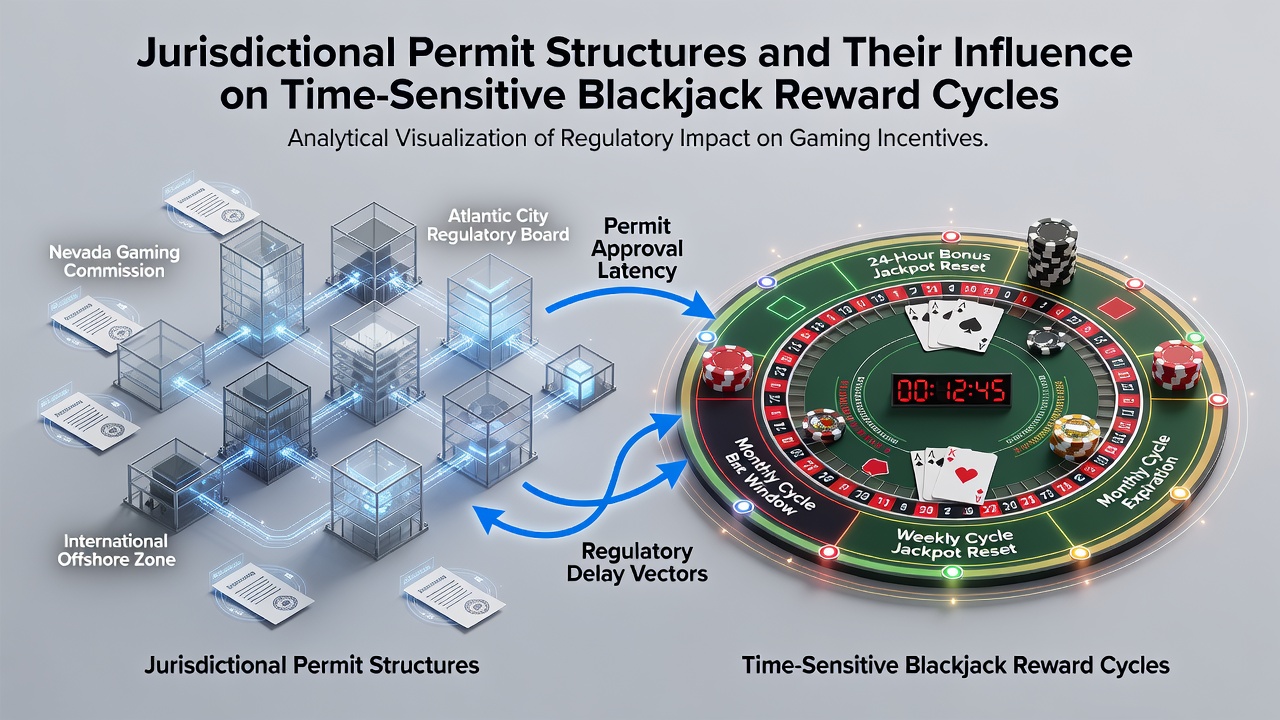
Regulatory bodies issue permits that set strict parameters around how operators deliver time-bound blackjack incentives, and these rules vary sharply by region. Data from the Nevada Gaming Control Board shows that state-licensed platforms must complete approval cycles for new promotions within fixed windows, which directly limits how often hourly or daily reward structures can refresh.
Core Elements of Permit Conditions
Most jurisdictions embed clauses that require pre-approval of any bonus mechanics tied to blackjack play, including expiration intervals and cycle resets. The Alcohol and Gaming Commission of Ontario maintains records indicating that operators file detailed schedules at least 14 days in advance, and any deviation triggers additional review periods that can stretch reward availability by weeks. These steps create predictable bottlenecks that affect both land-based and remote venues operating under the same umbrella license.
European frameworks add another layer because cross-border permits often reference the Malta Gaming Authority guidelines, which tie promotional frequency to audited player activity thresholds. When those thresholds shift, operators must pause or recalibrate time-sensitive cycles until the next reporting quarter closes.
Regional Differences in Approval Speed
North American models tend toward faster turnaround once initial licensing clears, whereas certain Asian regulatory zones impose rolling audits that extend review times. Observers note that September 2026 marks the scheduled rollout of updated digital reporting mandates in several Pacific Rim jurisdictions, which will require real-time submission of blackjack reward logs and could compress or expand cycle windows depending on compliance speed.
One documented case involved an operator adjusting its weekly blackjack leaderboard reset after the local authority demanded additional server-log verification, delaying the promotion by nine days and altering player participation patterns during that window.
Impact on Reward Cycle Design
Time-sensitive structures such as rotating blackjack multipliers or session-based cashback often depend on rapid iteration, yet permit language frequently caps how many distinct cycles an operator may run within a calendar month. Research from the University of Nevada, Reno gaming studies unit indicates that jurisdictions with shorter pre-approval queues see operators release up to three times more variations per quarter compared with slower regions.
Operators therefore design fallback mechanisms, such as static reward tiers that activate automatically when dynamic cycles hit regulatory delays. These mechanisms maintain continuity while the primary schedule undergoes review.
Compliance Reporting and Cycle Adjustments
Monthly or quarterly filings must include granular breakdowns of every time-bound blackjack offer, including start and end timestamps plus participation metrics. The Australian Communications and Media Authority publishes aggregate statistics showing that non-compliance notices spike during periods when multiple jurisdictions update their reporting formats simultaneously, forcing operators to synchronize cycle calendars across borders.
Industry associations have compiled case libraries demonstrating that staggered launch dates become standard practice when one license requires 30-day advance notice while another accepts 10-day filings. The result is a patchwork schedule that players encounter as uneven availability windows rather than uniform global cycles.
Conclusion
Permit structures function as gatekeepers that determine the pace and flexibility of blackjack reward cycles, and operators adapt by building buffer periods and modular designs into their systems. As regulatory timelines evolve, particularly with the September 2026 reporting changes on the horizon, the alignment between licensing conditions and promotional timing will continue to dictate which reward structures reach players and when.