Gaming Certifications Paving the Way for Varied Promotional Strategies in Virtual Environments
Anna Simon · Jun 30, 2026
Gaming Certifications Paving the Way for Varied Promotional Strategies in Virtual Environments
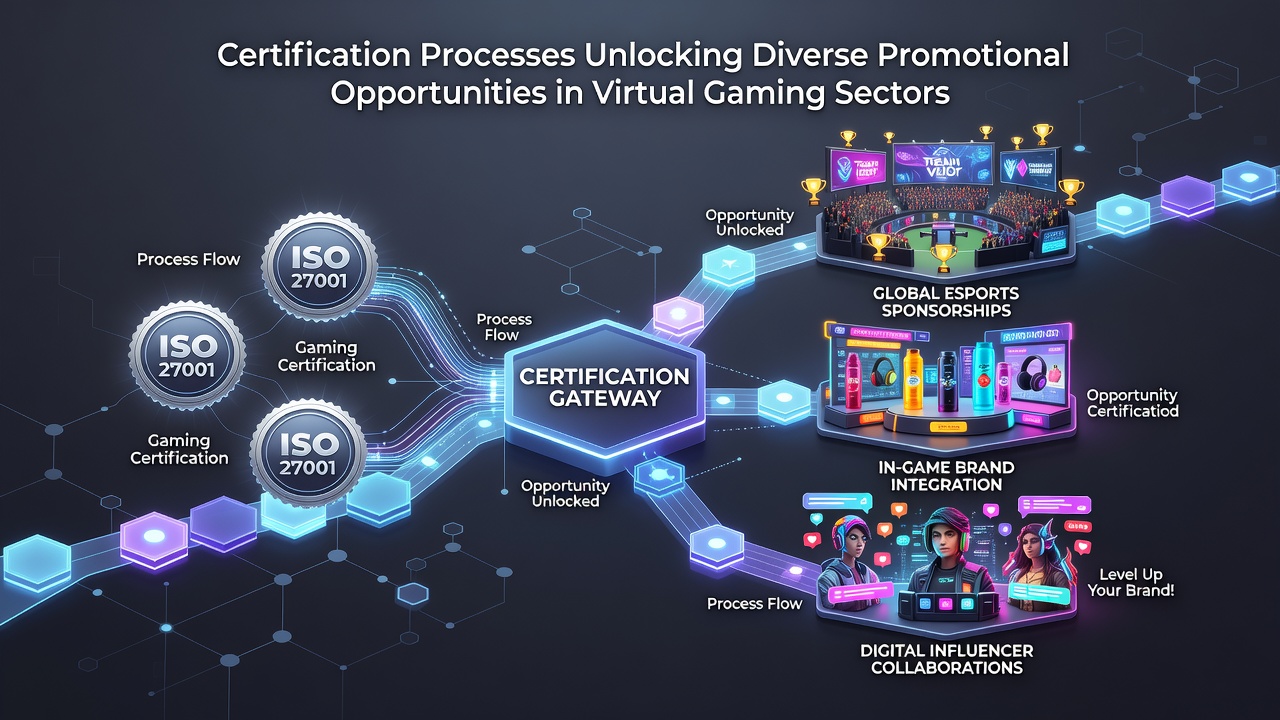
Certification processes in virtual gaming sectors establish structured pathways that operators follow to gain regulatory approval and expand their range of promotional activities, with many platforms securing multiple seals of compliance to access broader marketing tools. These frameworks involve rigorous audits, financial reviews, and technical assessments that verify adherence to standards set by bodies such as the Malta Gaming Authority, and once achieved they often permit operators to introduce targeted incentives like loyalty rewards or cross-game bundles that would otherwise face restrictions.
Core Elements of Certification in Virtual Gaming
Virtual gaming environments rely on certifications that cover software integrity, player fund segregation, and fair outcome generation, and these elements combine to create trust signals that support diverse promotional campaigns across online slots, table games, and emerging virtual reality formats. Observers note that certified platforms frequently demonstrate compliance through third-party testing labs, which in turn allows them to roll out time-limited offers or deposit-match structures without triggering additional regulatory scrutiny in multiple jurisdictions.
Operators typically begin with foundational licensing requirements before layering on specialized endorsements for specific game types, and this sequential approach has enabled many companies to diversify their bonus portfolios while maintaining operational continuity. Data from industry analyses shows that platforms holding certifications from both European and North American authorities tend to offer more layered promotional structures than those with single-region approvals, reflecting the expanded operational flexibility that comes with multi-jurisdictional validation.
Regional Certification Variations and Promotional Access
In Europe, certification bodies emphasize consumer protection protocols that directly influence the types of welcome packages and ongoing rewards operators can advertise, whereas North American state-level regulators focus on revenue reporting mechanisms that tie promotional budgets to verified compliance records. Australian authorities apply similar principles through their licensing regime, creating parallel opportunities for operators to develop region-specific campaigns once certification hurdles are cleared. Those who've tracked these patterns across markets find that certification often serves as the gateway to promotional experiments, such as hybrid loyalty programs that blend virtual currency with real-money incentives.
How Certifications Enable Specific Promotional Types
Once certified, platforms gain latitude to deploy segmented promotions that target different player cohorts, including high-volume participants and casual users, because the underlying compliance documentation supports transparent terms and conditions. Research indicates that operators leverage these credentials to introduce referral bonuses, tournament entry incentives, and seasonal campaigns that align with certified payout verification systems, and this alignment reduces the risk of disputes that could otherwise limit marketing reach. Certification also facilitates partnerships with game developers, allowing joint promotional ventures where certified status of both parties unlocks bundled offers across multiple virtual titles.

Technical certifications covering random number generators and secure transaction processing further broaden promotional scope by ensuring that any bonus-related mechanics operate within verified parameters. According to reports from the Malta Gaming Authority, certified entities have expanded their use of multi-tier loyalty structures that reward consistent play across virtual environments, and these structures rely on the audit trails established during the certification process itself.
Impact on Emerging Virtual Gaming Formats
Virtual reality and metaverse-based gaming sectors present newer certification challenges that, once addressed, open promotional avenues tied to immersive experiences such as avatar customization rewards or virtual event entries. Industry organizations tracking these developments have observed that platforms achieving certification for novel formats often introduce cross-platform promotions that bridge traditional online casinos with virtual spaces, creating unified reward ecosystems. Figures reveal steady growth in such hybrid offerings, particularly as certification standards evolve to address data privacy and avatar-linked transactions in these environments.
By June 2026, several jurisdictions are expected to finalize updated certification guidelines for virtual gaming technologies, which could further standardize promotional practices and enable operators to scale campaigns across borders with greater consistency. Those monitoring regulatory timelines note that early adopters of forthcoming standards may gain first-mover advantages in launching region-spanning loyalty initiatives once the new frameworks take effect.
Case Examples from Certified Operators
One European operator secured additional certifications in 2024 that allowed it to introduce a global tournament series with entry incentives tied to verified game fairness, and similar patterns appear in North American markets where state approvals have supported localized bonus variants. Research from academic sources on gaming regulation highlights how certification documentation serves as the foundation for these expansions, providing the evidentiary basis needed to justify promotional budgets to oversight bodies. Observers point to instances where platforms used multi-certification status to coordinate simultaneous campaigns across different virtual game verticals without encountering compliance conflicts.
Conclusion
Certification processes continue to function as key enablers for promotional diversity in virtual gaming sectors by establishing verifiable compliance that regulators and players alike rely upon. As standards advance and new formats gain approval, operators with robust certification portfolios maintain access to an expanding set of marketing tools that support sustained engagement across global markets. This dynamic underscores the ongoing connection between regulatory validation and the operational scope available for promotional development in the sector.