Caribbean Regulators Guide Shifts in Table Game Designs and Digital Platform Growth
Anna Simon · Jul 26, 2026

Caribbean Regulators Guide Shifts in Table Game Designs and Digital Platform Growth
Caribbean authorization bodies such as those in Curacao, Antigua and Barbuda, and the Kahnawake Mohawk Territory maintain licensing frameworks that directly influence how online table games evolve and how operators expand their platforms, with data from 2025 showing steady adjustments in blackjack variants and roulette formats across licensed sites.
Regulatory Structures Across Key Jurisdictions
Curacao eGaming issues licenses that require operators to submit detailed game specifications before launch, which leads platforms to adapt table game rules like payout ratios and deck counts to meet compliance standards, while Antigua's Directorate of Gaming enforces similar review processes that affect live dealer integrations and mobile adaptations as of mid-2026.
Those who track these bodies note that applications for new table game formats undergo technical audits focused on fairness algorithms and random number generators, resulting in standardized variations that appear consistently across multiple platforms rather than isolated innovations.
Format Adjustments in Practice
Operators seeking approval for modified blackjack tables must demonstrate adherence to specific return-to-player thresholds set by the licensing authority, and this requirement has prompted widespread adoption of multi-hand options alongside single-deck variants on expanded mobile interfaces during the first half of 2026.
Data from industry reports indicates that roulette wheel configurations and betting limits often receive approval only after simulation testing confirms alignment with local technical codes, which encourages platforms to bundle these games with progressive jackpot features to justify the expansion costs.
What's interesting is how these oversight mechanisms create ripple effects, where one jurisdiction's rule change on table game pacing influences operators licensed elsewhere to align their offerings for cross-border player access.
Platform Expansion Pathways
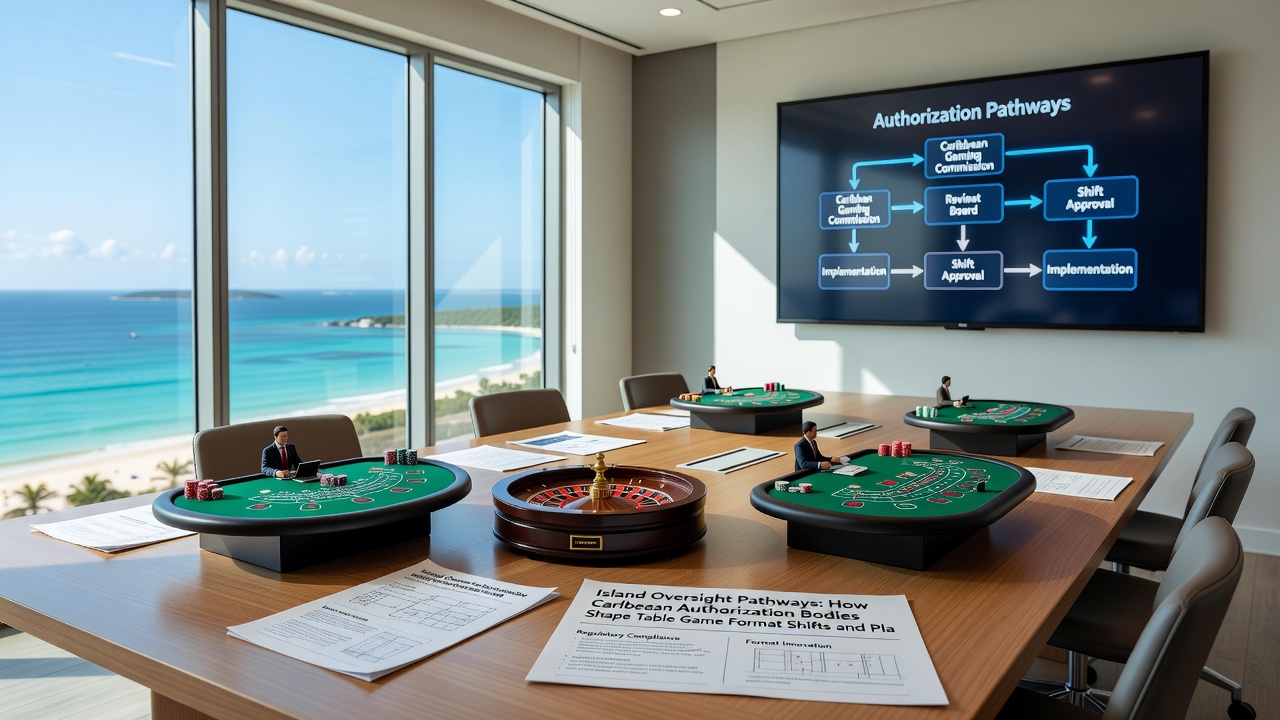
Authorization bodies evaluate platform expansion proposals that include new device compatibility and live streaming capabilities, requiring operators to provide evidence of secure data transmission and player verification systems before granting permission for broader market reach.
Research from the American Gaming Association highlights parallels between Caribbean approval timelines and those observed in North American markets, where similar technical reviews shape the rollout of virtual table environments across multiple operating systems.
Expansion into live dealer formats typically involves site visits or remote audits by regulatory representatives, and these steps have contributed to the integration of augmented reality elements in approved games by July 2026 as platforms respond to updated guidelines on visual presentation and interaction speed.
Case Examples from Licensed Operators
One operator under Curacao oversight introduced a hybrid poker-blackjack variant after receiving clearance that confirmed compliance with multi-player interaction protocols, which then appeared on additional platforms within months as other licensees followed the established pattern.
Another example involves an Antigua-licensed site that expanded its mobile table game library following approval of enhanced encryption measures, leading to simultaneous releases of updated roulette and baccarat options that incorporated region-specific betting structures.
Observers note that these sequential rollouts demonstrate how authorization decisions create templates that reduce development risks for subsequent platform growth initiatives across the Caribbean licensing ecosystem.
Technical and Compliance Considerations
Licensing conditions frequently specify server location requirements and software certification standards, which direct operators toward particular technology providers when scaling table game offerings to new devices or regions.
Figures from the Interactive Gaming Association of Australia show that comparable regulatory scrutiny in other jurisdictions produces measurable consistency in game mathematics and user interface design, a pattern mirrored in Caribbean approvals where platform expansions coincide with format refinements.
Operators must submit ongoing reporting on game performance metrics, and this data collection feeds back into future authorization decisions, creating a cycle that gradually standardizes certain table game elements while allowing limited experimentation within defined parameters.
Conclusion
Caribbean authorization bodies continue to steer table game format development and platform expansion through structured licensing processes that emphasize technical compliance and audit verification, with outcomes visible in the uniform features across approved sites as of July 2026. These frameworks establish predictable pathways for operators while maintaining oversight over the evolving digital gambling environment.