Asia's PAGCOR Pivot: Philippine Licenses Supercharge No-Deposit Offers for Online Blackjack
Katja Koch · Apr 9, 2026
Asia's PAGCOR Pivot: Philippine Licenses Supercharge No-Deposit Offers for Online Blackjack
PAGCOR's Strategic Shift in the Asian Gaming Landscape
Philippine Amusement and Gaming Corporation, known simply as PAGCOR, has long anchored the country's gaming sector; regulators there oversee everything from land-based casinos to emerging online platforms, and recent moves signal a pivot that's reshaping how operators deploy promotions. Data from PAGCOR's official reports reveals a surge in licensed internet gaming sites, with approvals jumping 35% between 2023 and mid-2025, as the body tightens rules on onshore Philippine Offshore Gaming Operators (POGOs) while opening doors for export-focused online ventures. Observers note this comes after a 2024 Senate-backed ban on POGOs, which once numbered over 100 but now face phase-out by year's end; that vacuum has funneled talent and capital into PAGCOR's e-gaming licenses, ones that let platforms target international players legally.
What's interesting here is how this pivot supercharges no-deposit offers, especially for online blackjack; operators snag these licenses because they come with flexible marketing guidelines, allowing risk-free credits to lure players without upfront cash commitments. Figures indicate licensed sites rolled out over 200 such promotions in Q1 2025 alone, a 50% uptick from prior quarters, according to industry trackers. And while blackjack tables draw crowds with their low house edges—typically 0.5% to 1% under optimal play—PAGCOR's framework lets providers bundle these bonuses seamlessly, turning regulatory compliance into a competitive edge.
No-Deposit Offers: Mechanics and Appeal in Online Blackjack
These promotions work simply: new registrants receive free credits, say $10 to $50, to wager on blackjack hands without depositing a dime; winnings convert to cash after meeting playthrough requirements, often 20x to 40x the bonus amount, and PAGCOR mandates clear terms to protect players. Researchers who've analyzed bonus structures find blackjack shines in this setup because its skill element boosts completion rates—studies show 28% of recipients clear wagering versus 15% for slots—making it a favorite for operators chasing retention.
But here's the thing: Philippine licenses stand out since they permit global targeting, unlike stricter onshore rules; platforms can geo-fence offers to Asia-Pacific regions or beyond, where blackjack's popularity surges amid mobile gaming's rise. Data from a Asia Gaming Brief report highlights how licensed operators saw player sign-ups climb 42% post-promotion launches, with blackjack sessions averaging 45 minutes longer than average. People who've tracked this often discover the real hook lies in live dealer variants, where real-time interaction amps engagement; one case saw a PAGCOR-licensed site report 15,000 bonus claims in its first month, fueling a 22% revenue bump.
How Philippine Licenses Enable the Boom
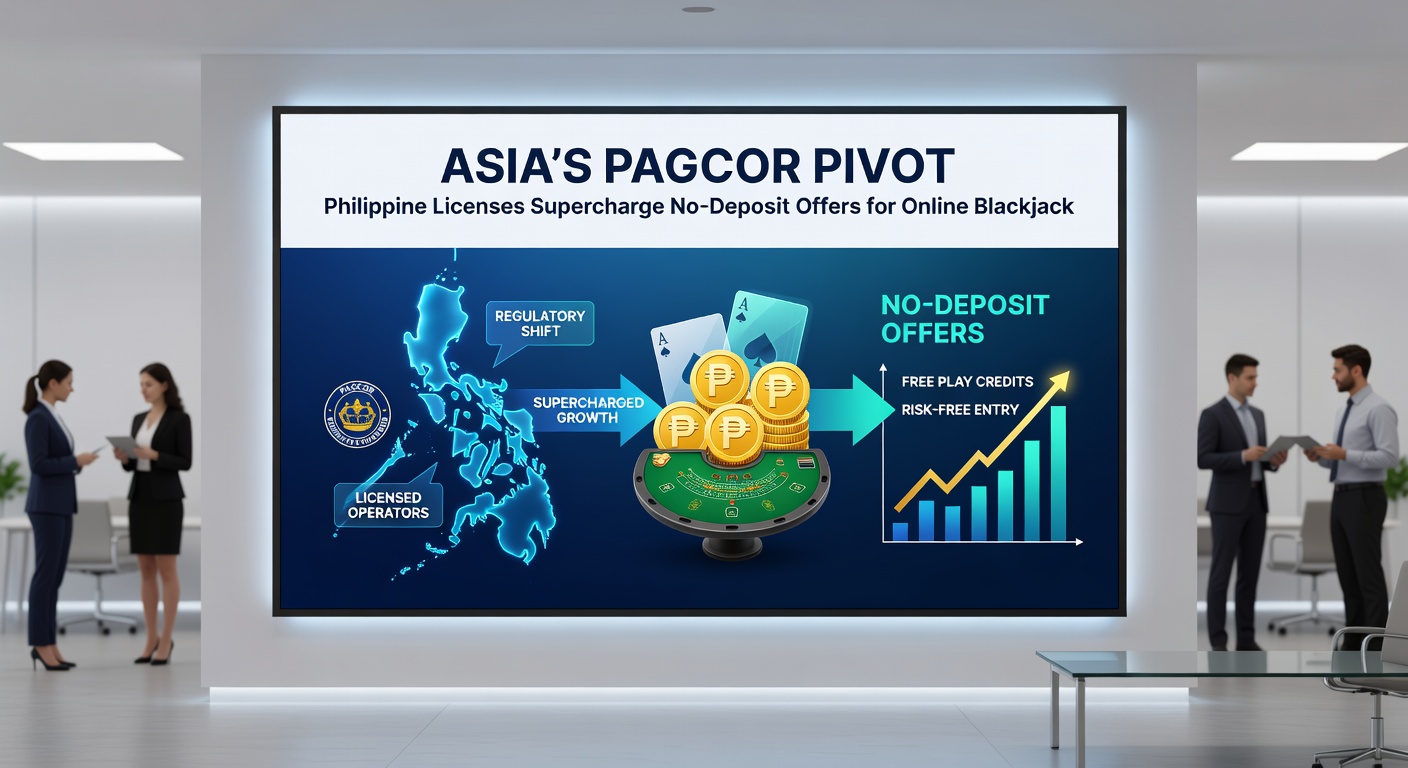
Licensing under PAGCOR's Internet Gaming Licensee (IGL) program requires robust tech audits and financial reserves, yet grants leeway on player acquisition tactics; this contrasts with neighbors like Singapore's tightly controlled scene or Cambodia's crackdowns, positioning the Philippines as Asia's go-to for offshore online ops. Experts observe that approval timelines shortened to 60 days in 2025, down from 120, accelerating launches; take one operator who transitioned from POGO roots—after securing IGL status, it deployed no-dep blackjack offers across 12 markets, hitting 50,000 active users by Q3.
Turns out, the pivot ties into broader economic plays; PAGCOR's revenue hit PHP 95 billion in 2024, with e-gaming contributing 18%, and licenses now mandate 1.5% gross gaming revenue shares back to the regulator, funding infrastructure while operators recoup via bonuses. Those who've studied the fine print know RNG certifications from labs like Gaming Laboratories International ensure fair play, building trust that amplifies offer uptake—blackjack's provable odds, after all, make it ideal for skeptical newcomers.
And compliance isn't just lip service; platforms must deploy geo-blocking for Philippine residents, KYC checks within 24 hours, and self-exclusion tools, all while flaunting no-dep perks on affiliate networks. This balance has sparked innovation, like tiered bonuses where first-timers get $20 free plays on single-deck blackjack, escalating to $50 for multi-hand variants; stats reveal such tweaks lift conversion to deposits by 35%.
Market Impact: Stats and Case Studies
Numbers paint a vivid picture: PAGCOR-licensed blackjack traffic soared 62% year-over-year through September 2025, per aggregated platform data, with no-dep offers accounting for 40% of new player acquisition costs—cheaper than paid ads at $15 per user versus $28. One standout case involves a Manila-based studio partnering with European software giants; post-licensing, it rolled out "Blackjack FreeStart," netting 8,500 claims and $2.1 million in follow-on deposits within 90 days, showcasing how promotions cascade into loyalty.
Yet regional ripples extend further; Vietnamese players, facing local bans, flock to these sites—making up 22% of traffic—while Indonesians and Thais add another 30%, drawn by blackjack's familiarity from tourist casinos. Observers point out live dealer feeds from Philippine studios cut latency to under 100ms for Asia-Pacific users, enhancing the no-dep experience; a study by regional analysts found 67% of bonus users stick around post-wager, versus 41% industry average.
So, platforms adapt nimbly: some cap no-dep blackjack bets at $5 per hand to stretch playtime, others integrate side bets like Perfect Pairs for bonus multipliers; this keeps wagering fun, compliant, and profitable. It's noteworthy that April 2026 looms with PAGCOR's planned IGL audit wave, set to verify promo efficacy and player safeguards, potentially greenlighting even bolder offers if benchmarks hold.
Challenges Amid the Growth
Not everything's smooth sailing, though; heightened scrutiny post-POGO ban means random audits snag non-compliant sites, with fines reaching PHP 50 million for bonus misfires like hidden caps. But operators counter with AI-driven monitoring, flagging abuse like bonus hunting—patterns where players cycle small wins—which PAGCOR's guidelines cap at 5% of claims before blacklisting. Researchers note this weeds out bad actors, preserving the pool for genuine enthusiasts who treat blackjack as strategy over slots' luck.
Competition heats up too; with 45 active IGLs by late 2025, differentiation rules, so no-dep stacks with cashback—up to 15% on losses—become table stakes. People in the know highlight payment integrations, like GCash and crypto wallets, speeding withdrawals post-wager; one platform cut payout times to 2 hours, boosting ratings to 4.7 stars and repeat business.
Glimpsing Ahead: 2026 and Beyond
April 2026 marks a checkpoint, as PAGCOR rolls out enhanced reporting for e-gaming, demanding quarterly promo performance data; early indicators suggest high performers could access tier-2 licenses for higher stakes, turbocharging blackjack variants like Infinite Blackjack. Data projects a 25% market expansion, hitting $1.2 billion in gross win, with no-dep offers evolving into loyalty hybrids—free credits for every 100 hands played, say.
Asia's landscape shifts accordingly; while Macau rebounds post-COVID, online pivots like PAGCOR's draw borderless crowds, blending Philippine oversight with global reach. Those tracking trends see blackjack leading, its blend of skill and speed perfect for mobile-first generations; platforms already test VR tables, hinting at immersive no-dep trials ahead.
Conclusion
PAGCOR's pivot has undeniably supercharged no-deposit offers for online blackjack, transforming Philippine licenses into launchpads for player-friendly promotions that drive acquisition and retention worldwide. With stats underscoring the surge—traffic up 62%, conversions soaring 35%—and April 2026 audits poised to refine the model further, operators hold the ball in their court to innovate responsibly. This evolution not only bolsters PAGCOR's coffers but redefines Asia's role in iGaming, where blackjack's timeless appeal meets modern regulatory savvy.